Aircrew Parachute Harness/Pack – Vulcan & Victor Crew Seats: Military Flight Crew Equipment
Aircrew Parachute Harness/Pack – Vulcan & Victor Crew Seats: Military Flight Crew Equipment
Blog Article
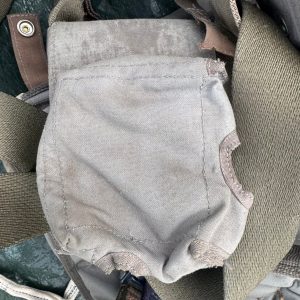
The Aircrew Parachute Harness/Pack – Vulcan & Victor Crew Seats combines historical aviation interest, crew-seat integration potential, harness construction, and emergency-equipment significance.
The Aviation Parachute Harness can offer collectible and restoration value, while the Pilot Parachute Harness should never be judged serviceable from appearance alone.
An Aircraft Emergency Parachute Harness may also be marketed as an Aircrew Safety Harness, Flight Crew Parachute Harness, Emergency Parachute Harness, or Military Aircrew Harness when its historical and technical context is explained clearly.
The Aviation Emergency Escape Harness, Parachute Harness Assembly, Aircraft Crew Safety Equipment, Aircrew Emergency Equipment, and Pilot Emergency Parachute System form part of a broader aviation safety category.
An Aviation Safety Harness, Flight Parachute Harness, and Aircraft Parachute Equipment listing should distinguish between operationally inspected equipment, untested historic material, display-only components, incomplete assemblies, and parts items.
Key Details of the Crew-Seat Parachute System
Detailed identification protects historical accuracy and reduces incorrect compatibility claims.
Photographs should show the front, rear, sides, webbing, buckles, attachment points, pack, labels, stitching, hardware, and areas of wear.
Parachute Harness Webbing and Hardware
A complete inspection should examine both obvious wear and less visible age-related deterioration.
Stitching should be reviewed for broken threads, fading, contamination, pulled sections, loose patterns, unauthorized repair, and separation from the webbing.
Pilot Parachute Harness Fit and Adjustment
Shoulder, chest, waist, and leg adjustments may influence comfort, movement, load distribution, and secure positioning.
Buckles and adjusters should move without excessive force, binding, corrosion, cracking, deformation, or damage to adjacent webbing.
Emergency Harness System Integration
Operational claims should never be made without current specialist inspection and applicable documentation.
The relationship between each fitting and its surrounding webbing should remain visible for inspection.
Maintaining Aircrew Harness Equipment
The intended function should be established through technical references and component markings rather than appearance alone.
The assembly should receive padded support that preserves its natural shape get more info without stretching straps.
Military Parachute Harness Inspection
The listing should note webbing color, flexibility, staining, fraying, stitching, hardware condition, labels, odor, storage marks, repairs, and missing parts.
Any known aircraft history, crew-seat association, unit provenance, or acquisition records should be presented carefully and supported when possible.
Harness Hardware Evaluation
The item should not be opened, repacked, or disassembled without suitable knowledge because historic arrangements may be lost.
Signs of deterioration can include fading, stiffness, powdering fibers, frayed edges, stains, mildew, chemical odor, burned areas, torn stitching, corrosion transfer, and damaged labels.
Preserving Cold War Aviation Safety Gear
Responsible descriptions should distinguish verified history from seller interpretation.
Conservation-focused presentation protects the Military Aircrew Harness for future study.
Evaluating Emergency Escape Gear
A complete-looking harness/pack should not be represented as a complete escape system without supporting information.
Incorrect assembly for display can damage components or create a misleading configuration.
Evaluating Assembly Completeness
A pack exterior does not prove that a canopy, pilot chute, deployment components, or internal equipment remain present.
Organized documentation also helps future owners continue research.
Maintaining Aircrew Safety Equipment
Aircraft Crew Safety Equipment may include harnesses, parachute packs, helmets, oxygen equipment, survival gear, restraints, life preservers, and emergency signaling devices.
Conservation should prioritize reversible methods whenever practical.
Military Flight Emergency Gear
A harness/pack associated with Vulcan or Victor crew seats can contribute to research into military cockpit equipment and emergency procedures.
Modern additions used for display should remain distinguishable from original components.
Military Pilot Escape Equipment
Historic parachute equipment may have exceeded original service intervals or contain materials affected by age and storage.
When internal contents are unknown, the listing should state that clearly.
Choosing an Aviation Safety Harness
The item should remain removable for inspection and future conservation.
Interpretive labels should distinguish verified facts from uncertain history.
Flight Parachute Harness Buying Guide
A Flight Parachute Harness should be purchased according to intended use, identity, condition, completeness, provenance, size, configuration, and available documentation.
Price should reflect the complete evidence rather than aircraft-name keywords alone.
Aircraft Parachute Equipment Compatibility
Aircraft Parachute Equipment should be matched through exact part numbers, aircraft type, crew position, seat model, connection method, and period-specific configuration.
Careful matching preserves both the Aircraft Parachute Equipment and crew seat.
Vulcan and Victor Harness Condition Guide
Photographs should show every major surface and identification marking.
- Determine whether the canopy, deployment components, release equipment, inspection cards, storage bag, manuals, or other items are included.
- Check metal hardware for corrosion, pitting, cracks, bending, sharp edges, seized movement, plating loss, and mismatched parts.
- Inspect and photograph the item immediately after delivery before cleaning, opening, adjusting, mounting, repairing, or separating components.
Storing the Aircrew Parachute Harness/Pack
The harness and pack should be stored in a clean, dry, stable environment with moderate temperature, controlled humidity, limited light, and protection from pests.
The item should be inspected periodically for corrosion growth, mildew, pest activity, staining, webbing changes, odor, hardware movement, and storage damage.
Reversible Aircrew Harness Mounting
A crew-seat display should support the pack in a way that reduces weight on aged straps, fittings, and adjustment points.
Professional presentation improves educational value without compromising authenticity.
Long-Term Aircrew Harness Care
Maintenance of historic aircrew parachute equipment should prioritize preservation, documentation, gentle handling, and prevention of further deterioration.
Documentation should record every intervention, added component, cleaning method, and display modification.
Aircrew Parachute Harness Conclusion
The Aircrew Parachute Harness/Pack – Vulcan & Victor Crew Seats may suit museums, military aviation collectors, cockpit restorers, historians, preservation specialists, and buyers seeking authentic aircrew equipment.
The strongest purchasing decision begins with confirming part numbers, manufacturer, production period, crew-seat relationship, webbing condition, stitching, hardware, pack contents, repairs, storage history, provenance, and intended sale status.
Whether the assembly is purchased for restoration, research, display, reference, collection, or specialist evaluation, transparent documentation and responsible handling provide the strongest foundation.
With accurate identification, preservation-focused care, suitable environmental control, and careful interpretation, the assembly can remain an important military aviation artifact.
Report this page